
RestorativeZirconia Crowns in Istanbul
Zirconia Crowns
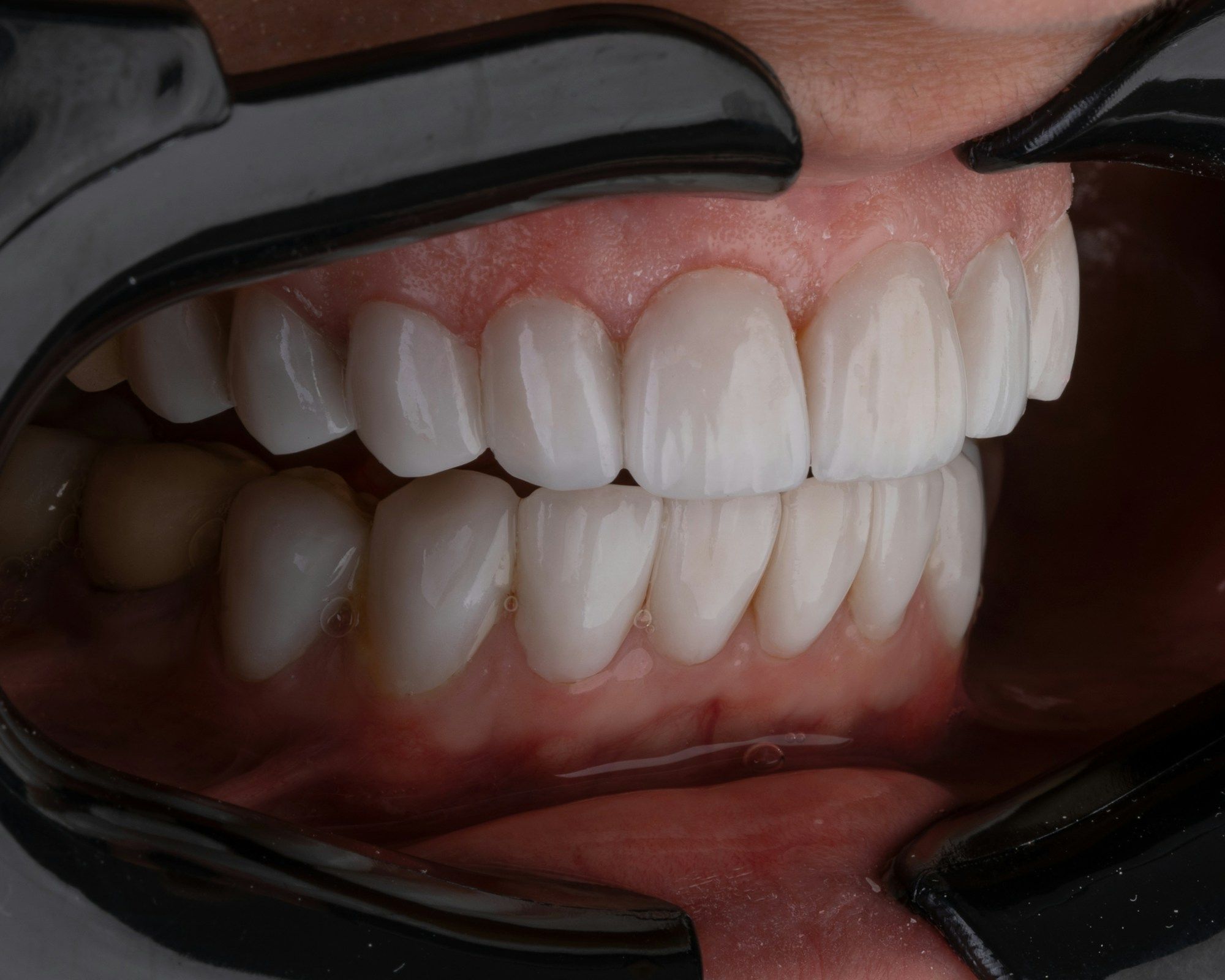
A zirconia crown is a tooth-coloured, metal-free cap made from a high-strength ceramic. It covers the visible part of a tooth that has been weakened, heavily filled or damaged, or sits on top of a dental implant. With its natural tooth-like colour and metal-free structure, it combines strength with aesthetics to support a natural-looking smile.
- 07stages
- 05questions and answers
01About the treatment
What is it?
Crowns are used to protect and restore teeth that can no longer be reliably repaired with a filling. Zirconia is one of several crown materials available today, chosen for its strength and its tooth-like colour.
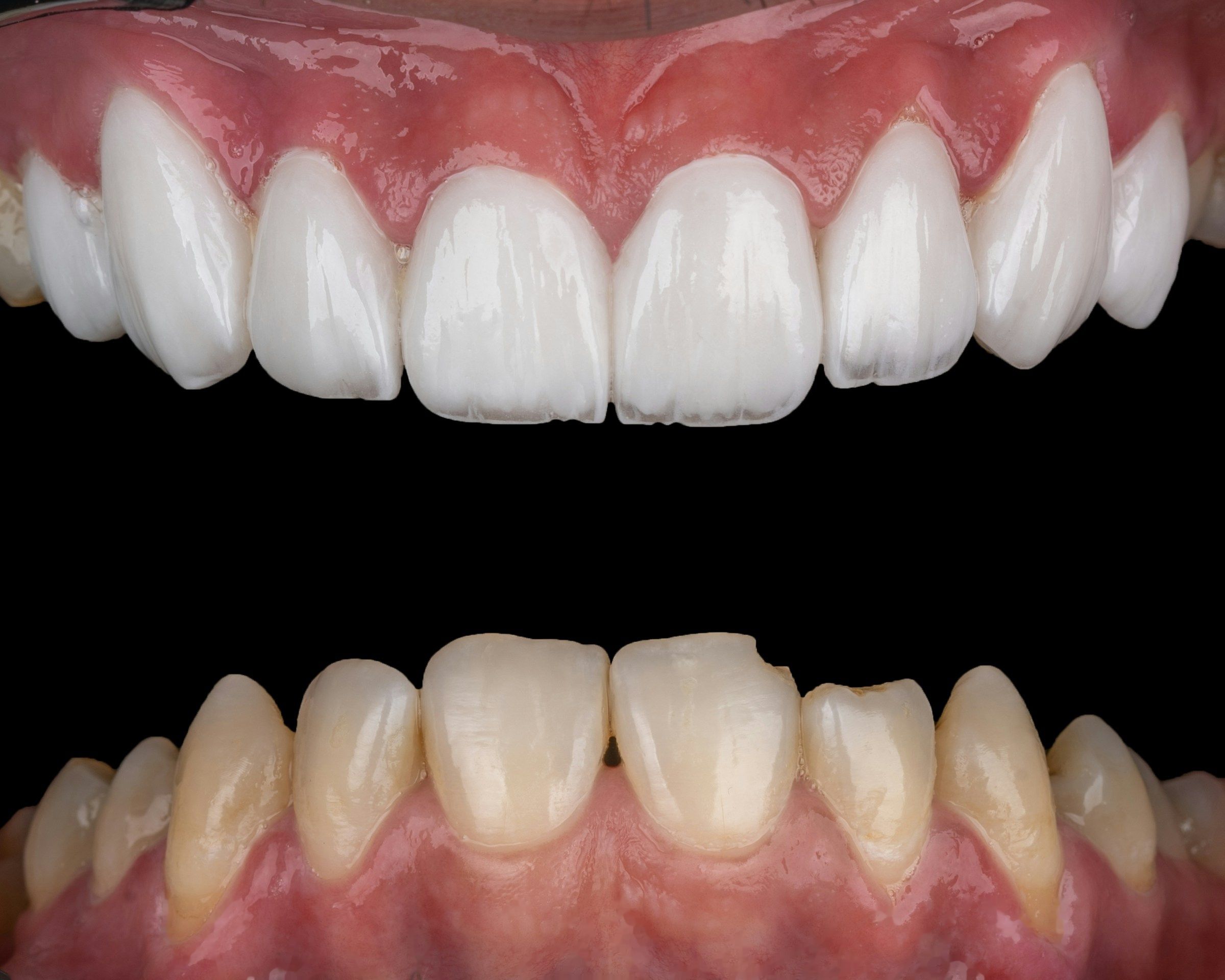
You may have seen the term “zirconium crowns”. It is widely used, particularly in Türkiye, to describe the same thing: crowns made from zirconium dioxide, a ceramic known in dentistry as zirconia. They are not a separate product.
Zirconia is a strong, metal-free ceramic with a natural tooth-like appearance. Each crown is digitally designed and made for your tooth, offering a restoration that is both durable and natural-looking for everyday life.
02Suitability
When might it be considered?
Zirconia crowns are also a popular choice for people who want to renew their smile aesthetically. In suitable cases — where several teeth show wear, discolouration or ageing restorations — full-mouth zirconia treatment can restore the smile in a balanced, harmonious way.
A crown may be considered when a tooth needs more protection or rebuilding than a filling can provide. Zirconia may be one of the options discussed, depending on the tooth, your bite and your aesthetic priorities.
- 01Teeth that are broken, cracked or heavily filled
- 02Back teeth after root canal treatment, which can be more prone to fracture
- 03Replacing older crowns, including metal-ceramic crowns
- 04Crowns supported by dental implants
- 05Bridges replacing one or more missing teeth, where the span and bite allow
- 06Some cases of severe discolouration, where more conservative options would not be adequate
03Process
The treatment process
Every treatment plan is individual. The stages below describe a typical sequence, not a fixed protocol.
- 01
Examination
The tooth and surrounding gum and bone are examined, usually with radiographs, to make sure the tooth itself is healthy enough to support a crown.
- 02
Planning and shade selection
The dentist discusses material choices, alternatives and the expected result. The shade is selected in natural light, taking neighbouring teeth into account.
- 03
Tooth preparation
Under local anaesthetic, the tooth is shaped to make space for the crown. This removes some tooth structure.
- 04
Impression or digital scan
A precise record of the prepared tooth and your bite is taken and sent to the dental laboratory or milling unit.
- 05
Temporary crown
A temporary crown protects the tooth while the final crown is made.
- 06
Fitting
The crown is tried in, checked for fit, contacts, bite and appearance, and then cemented or bonded in place.
- 07
Review
Your bite and the gum around the crown are checked, and the crown is then monitored at routine examinations.
04Benefits and limits
Benefits and limitations
Potential benefits
- High strength, suitable for back teeth and many bridges
- Metal-free and tooth-coloured, with no dark metal margin
- Monolithic zirconia is highly resistant to chipping
- Generally well tolerated by the gum tissues
Limitations
- Some tooth structure is shaped to make room for the crown; the amount is planned for each case
- The strongest grades can be slightly more opaque; for front teeth, more translucent zirconia or E-max may be preferred depending on aesthetic goals
- As a hard material, its surface is carefully polished and the bite adjusted so that it works in harmony with opposing teeth
- Shape and shade are checked carefully at the try-in stage, before the crown is fixed in place for the long term
05Risks
Risks and considerations
Zirconia crowns are a routine, well-established treatment, and most patients adapt to them comfortably. Mild sensitivity for a few days after the tooth is prepared is common and usually settles on its own.
As with any restoration, occasional issues can arise over the years — for example gum irritation around the crown or, less often, the crown loosening. Monolithic zirconia is highly resistant to chipping. Regular check-ups allow any such issue to be noticed early and addressed simply.
Your dentist will discuss the points relevant to your own teeth before treatment begins.
06Aftercare
Recovery and aftercare
Some sensitivity for a few days is not unusual. Brush twice daily with a fluoride toothpaste and clean carefully between the teeth and along the gum line, where decay can start.
If you grind or clench your teeth, your dentist may recommend a night guard to protect both your crowns and your natural teeth. Regular examinations allow early detection of any problem.
07Common questions
Frequently asked questions
01Are zirconium crowns and zirconia crowns the same thing?
Yes. Both terms describe crowns made from zirconium dioxide. “Zirconia” is the term used in dental literature; “zirconium crowns” is common in everyday use, especially in Türkiye.
02Are zirconia crowns metal-free?
Yes. Zirconia is a ceramic. Although its name comes from the element zirconium, the material used for crowns is an oxide ceramic and does not contain metal in the way that metal-ceramic crowns do.
03How long do zirconia crowns last?
Systematic reviews show favourable survival for zirconia crowns over the medium term, comparable in many situations to metal-ceramic crowns. How long a crown lasts for any individual depends on the tooth beneath it, oral hygiene, bite forces and regular care.
04Should I choose zirconia or E-max?
Each has strengths. Zirconia is usually chosen where strength is the priority, such as back teeth and bridges; lithium disilicate (E-max) is often preferred where translucency matters most, such as front teeth. The right choice depends on the specific tooth and is made at examination.
05Can I have all my teeth crowned to change my smile?
Yes — in suitable cases, full-mouth zirconia can renew your smile as a whole. Which teeth are treated, and how much, is decided together after an examination; in some situations options such as whitening or veneers may also be considered.
08Other treatments
Related treatments
-
-
-
09Consultation
Discuss your options
Suitability for any treatment can only be determined after a clinical examination. If you would like further information, or to arrange an appointment, please contact the clinic.