
Preventive and generalPreventive Dental Care in Istanbul
Preventive Dental Care
Most dental disease is preventable. Preventive care aims to keep your teeth and gums healthy and to identify problems while they are small and simple to manage. It is the simplest way to keep your smile healthy for life.
- 04stages
- 03questions and answers
01About the treatment
What is it?
Tooth decay and gum disease are among the most common health conditions worldwide, yet both are largely preventable through daily habits supported by professional care. Prevention is also the best way to protect any crowns, veneers or implants you already have.
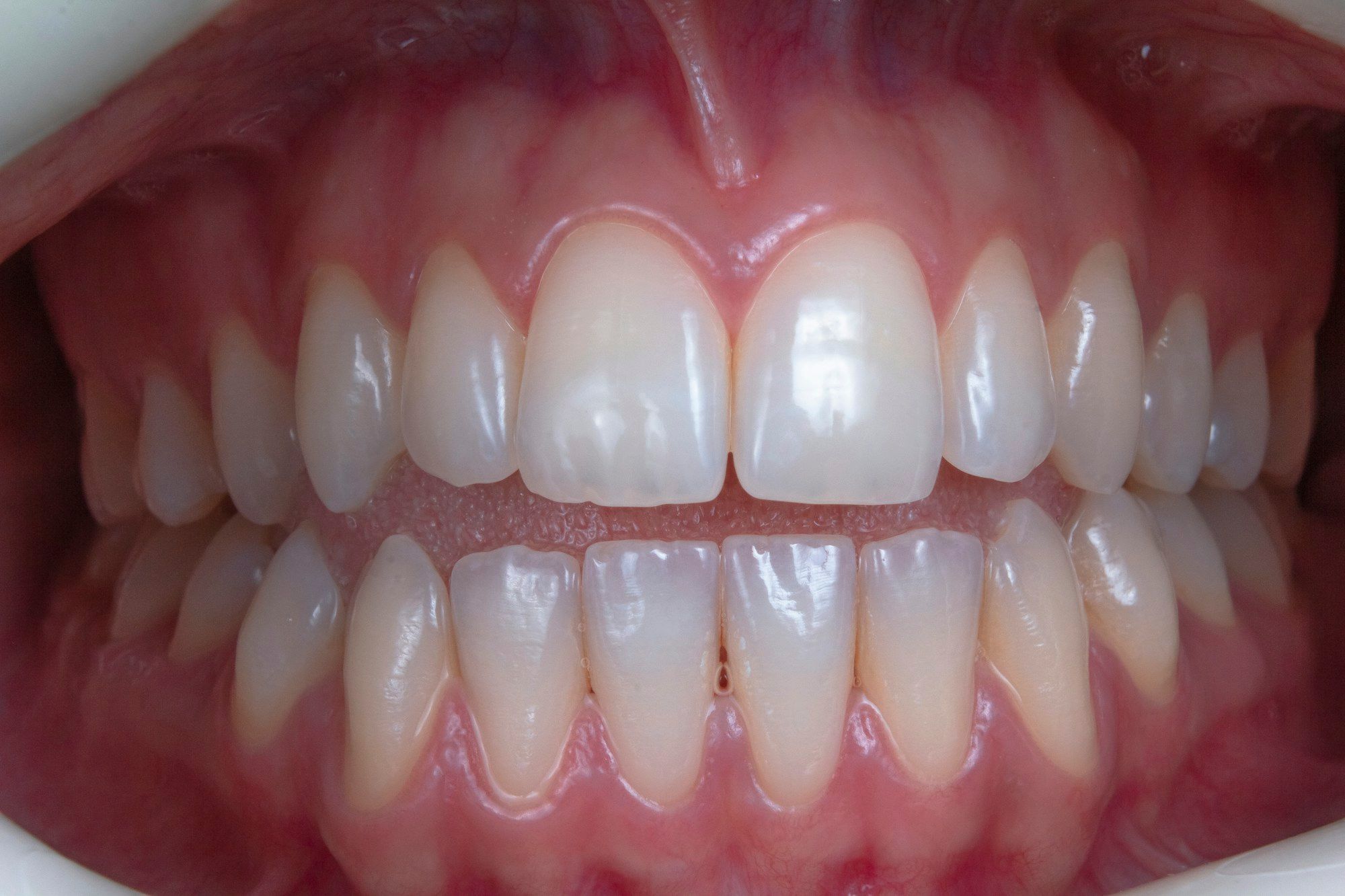
Preventive care combines regular check-ups, professional cleaning and personal advice to keep your teeth and gums healthy. The frequency of your visits is tailored to your individual needs.
02Suitability
When might it be considered?
Preventive care benefits everyone, and is especially important if you:
- 01Have had frequent decay or gum problems
- 02Have crowns, bridges, veneers or implants
- 03Smoke, have diabetes or have a dry mouth
- 04Are undergoing orthodontic treatment
03Process
The treatment process
Every treatment plan is individual. The stages below describe a typical sequence, not a fixed protocol.
- 01
Risk assessment
Your history, habits and examination findings are used to assess your risk of decay, gum disease and wear.
- 02
Professional cleaning
Plaque and calculus are removed and teeth polished where appropriate.
- 03
Personal advice
Practical guidance on brushing, interdental cleaning and diet is tailored to your mouth.
- 04
Recall interval
The interval to your next review is set according to your risk.
04Benefits and limits
Benefits and limitations
Potential benefits
- Reduces the risk of decay and gum disease
- Detects problems early
- Helps restorations and implants last longer
Limitations
- Works best together with good daily care at home
- Helps to slow existing problems and prevent new ones
05Risks
Risks and considerations
Preventive treatments are very gentle. Some people notice slight, temporary sensitivity after professional cleaning, which soon passes.
06Aftercare
Recovery and aftercare
Brush twice daily with a fluoride toothpaste, clean between your teeth daily, limit how often you have sugary food and drink, and avoid tobacco.
07Common questions
Frequently asked questions
01How often should I see a dentist?
UK guidance (NICE) recommends that adults are reviewed at intervals between three and twenty-four months, depending on individual risk.
02Is an electric toothbrush better?
Both manual and powered brushes can be effective when used well. Technique and consistency matter most.
03Do I need to clean between my teeth?
Yes. A toothbrush cannot reach between teeth; interdental brushes or floss help remove plaque from these areas.
08Other treatments
Related treatments
-
-
-
09Consultation
Discuss your options
Suitability for any treatment can only be determined after a clinical examination. If you would like further information, or to arrange an appointment, please contact the clinic.