
RestorativeAll-on-4/6 Implant Concepts
All-on-4/6
“All-on-4/6” describes a way of supporting a fixed full-arch bridge on four or six implants in one jaw. For suitable patients, it can restore a complete, natural-looking smile and the confidence of fixed teeth.
- 05stages
- 03questions and answers
01About the treatment
What is it?
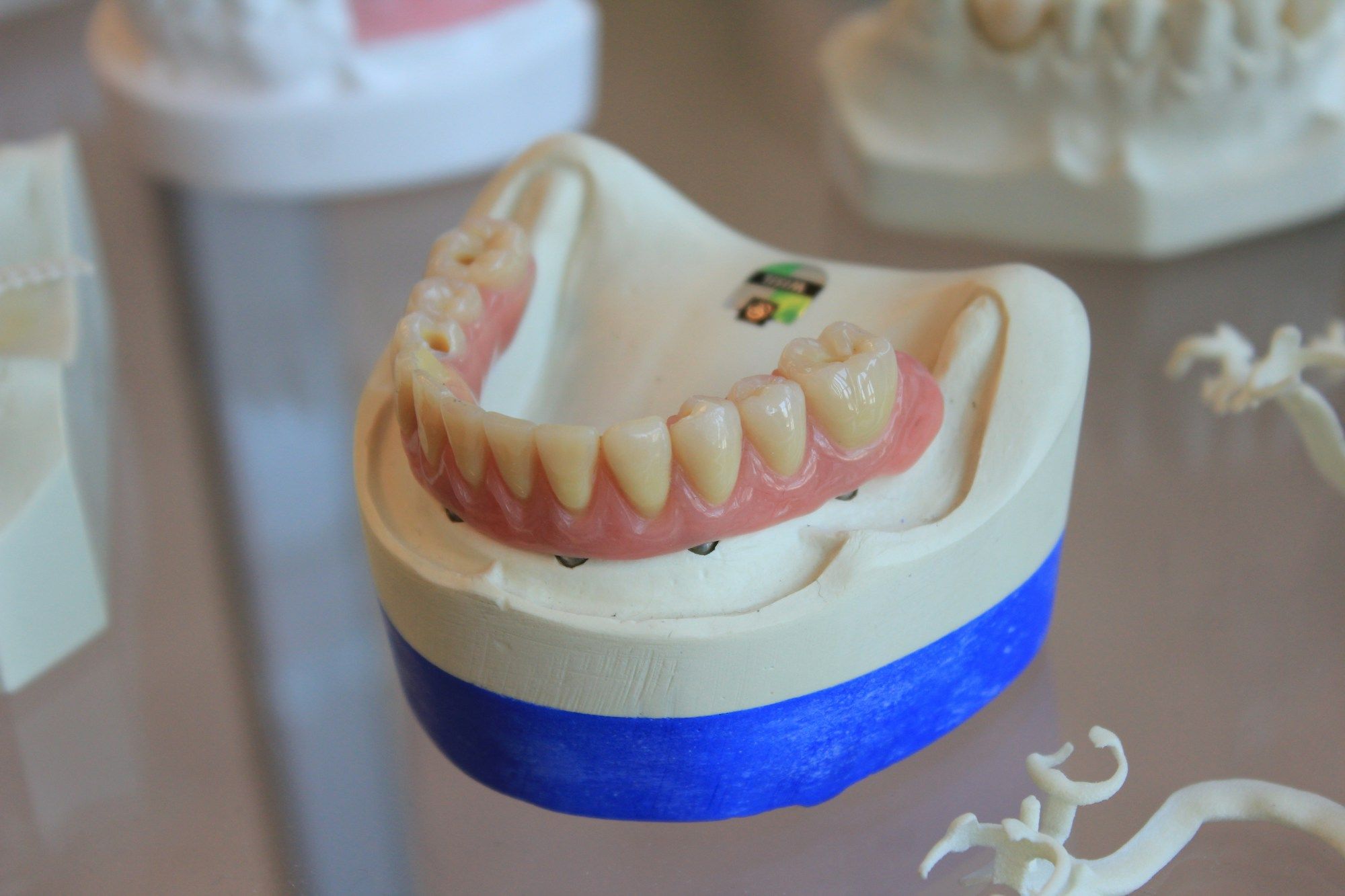
For people who have lost, or are about to lose, most or all of the teeth in one jaw, a fixed bridge supported by implants can be an alternative to a conventional removable denture. The All-on-4/6 approach is one of several ways to achieve this.
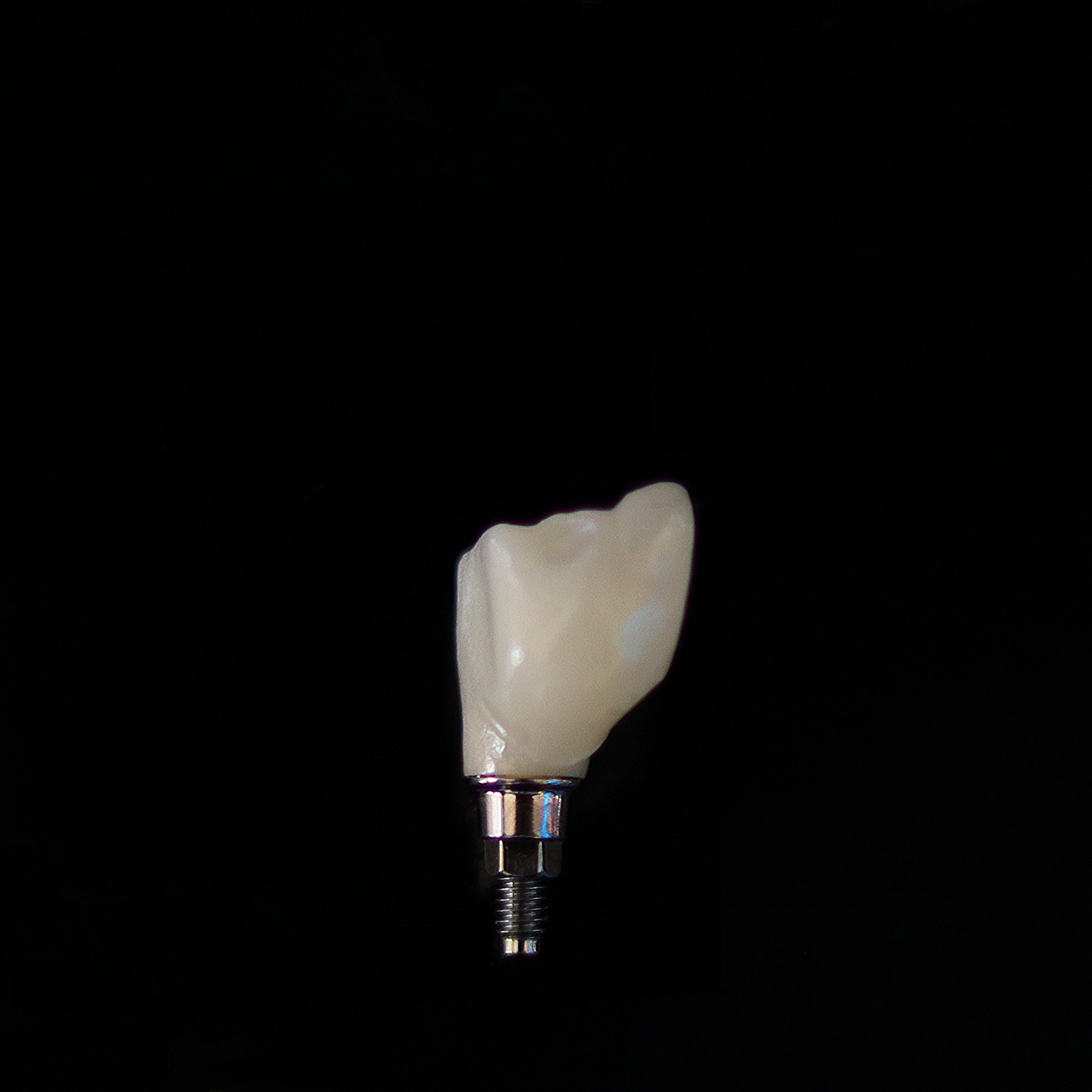
In this approach, a fixed full-arch bridge is supported by four or six implants placed in one jaw; the back implants are often angled to make the best use of the available bone. In suitable cases, a provisional fixed bridge can be fitted shortly after the implants are placed, and the final bridge is made after healing.
02Suitability
When might it be considered?
This approach may be discussed when:
- 01Most or all teeth in a jaw are missing or cannot be saved
- 02A removable denture is uncomfortable or unstable
- 03There is enough bone to support four or six implants in suitable positions
- 04General health allows for implant surgery
03Process
The treatment process
Every treatment plan is individual. The stages below describe a typical sequence, not a fixed protocol.
- 01
Comprehensive assessment
Medical history, examination, and three-dimensional imaging are used to assess bone and anatomy. Alternatives are discussed in full.
- 02
Planning
Implant positions and the design of the bridge are planned together.
- 03
Surgery
Any remaining teeth that cannot be saved are removed and the implants placed, often with a provisional bridge fitted when appropriate.
- 04
Healing
The implants integrate with the bone over several months, with reviews during this period.
- 05
Final bridge and maintenance
The definitive bridge is made and fitted. Regular professional maintenance, sometimes including removal of the bridge for cleaning, follows.
04Benefits and limits
Benefits and limitations
Potential benefits
- A fixed alternative to a removable denture
- Can avoid bone grafting in some patients by using angled implants
- A provisional fixed bridge may be possible early in treatment
Limitations
- A comprehensive treatment that is planned in detail for each patient
- Some patients may benefit from additional implants or a different approach
- Cleaning beneath the bridge needs a little extra care with special aids
- Like all restorations, bridges need maintenance over time
05Risks
Risks and considerations
All-on-4/6 treatment is a well-established approach, and most patients recover comfortably with the help of clear aftercare instructions. Mild pain and swelling may occur in the first days; this varies from person to person.
As with any implant treatment, possible risks such as infection or an implant not integrating are assessed and discussed with you during planning. Good oral hygiene, not smoking and regular professional maintenance help the result to last for many years.
06Aftercare
Recovery and aftercare
Detailed instructions are given after surgery, including a soft diet during early healing. Long-term success depends on meticulous cleaning, not smoking and regular professional maintenance.
Because this treatment requires several stages over months, international patients should discuss the full timetable and follow-up before deciding.
07Common questions
Frequently asked questions
01Are four or six implants used?
Depending on bone structure and biting forces, the bridge is planned on four or six implants; for some patients a different solution may be more suitable.
02Can I have teeth on the same day?
In suitable cases, a provisional fixed bridge can be fitted shortly after surgery. This decision is made on the day, based on how firmly the implants are anchored when they are placed.
03What are the alternatives?
Alternatives include a conventional complete denture, a removable denture clipped to two or more implants, or a fixed bridge on a larger number of implants.
08Other treatments
Related treatments
-
-
-
09Consultation
Discuss your options
Suitability for any treatment can only be determined after a clinical examination. If you would like further information, or to arrange an appointment, please contact the clinic.