
AestheticTeeth Whitening in Istanbul
Teeth Whitening
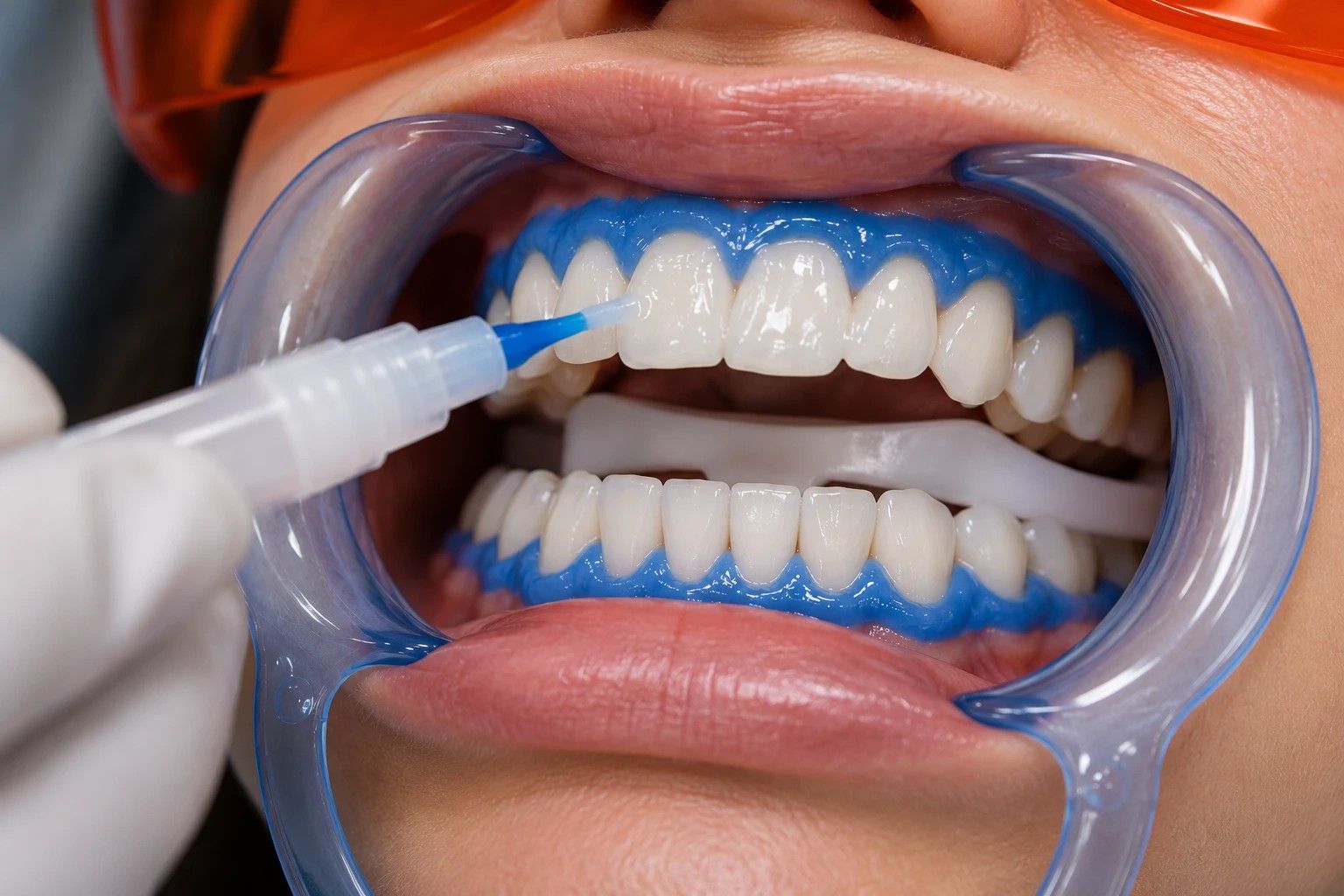
Professional teeth whitening uses a peroxide-based gel to lighten the natural colour of teeth. It is one of the most conservative cosmetic treatments. It is a simple, gentle way to achieve a brighter, fresher smile.
- 04stages
- 03questions and answers
01About the treatment
What is it?
Teeth naturally darken with age and can be stained by coffee, tea, red wine and smoking. Whitening can lighten their colour without removing any tooth structure. Because it uses active chemicals, it should be carried out or supervised by a dental professional after an examination.
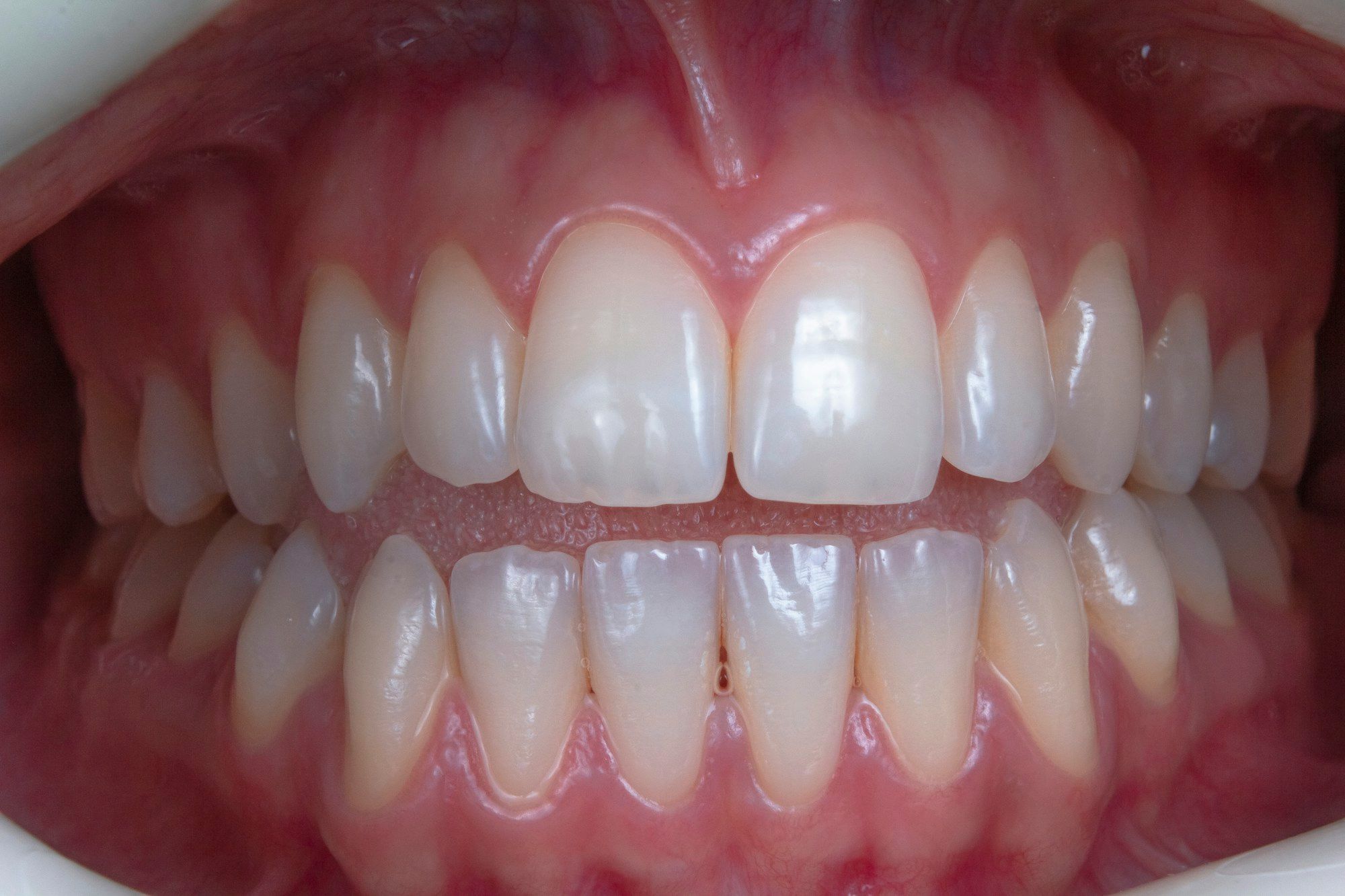
Professional whitening uses a gentle peroxide-based gel to lighten the natural colour of your teeth, in the clinic, at home with custom-made trays, or both. It is carried out under your dentist’s supervision for a safe, even result.
02Suitability
When might it be considered?
Whitening may be appropriate for general yellowing or staining of natural teeth. It is less suitable, or needs a different approach, for:
- 01Teeth with existing crowns, veneers or visible fillings, which will not change colour
- 02Some types of deep internal discolouration
- 03Untreated decay or gum disease, which should be treated first
- 04Pregnancy or breastfeeding, when whitening is usually deferred
03Process
The treatment process
Every treatment plan is individual. The stages below describe a typical sequence, not a fixed protocol.
- 01
Examination
Your teeth and gums are checked, the cause of discolouration is considered, and your starting shade is recorded.
- 02
Choosing an approach
In-clinic, home or combined whitening is discussed, with realistic expectations of the likely result.
- 03
Treatment
The gel is applied with the gums protected, either in the clinic or using custom trays at home as instructed.
- 04
Review
The result is reviewed. Any restorations that need to match the new shade can then be planned.
04Benefits and limits
Benefits and limitations
Potential benefits
- Does not remove tooth structure
- Can noticeably lighten natural tooth colour
- Relatively quick and straightforward
Limitations
- Results vary from person to person
- Colour may gradually darken over time, and occasional top-up treatments can refresh it
- Existing crowns, veneers and fillings keep their original colour
05Risks
Risks and considerations
Whitening is one of the gentlest cosmetic treatments. Some people notice mild, temporary sensitivity, which usually fades within a few days.
Your gums are protected during treatment, and your dentist will recommend the approach that best suits your teeth.
06Aftercare
Recovery and aftercare
Limiting strongly coloured food and drink, and not smoking, helps maintain the result. Use whitening products only as directed and report any persistent sensitivity.
07Common questions
Frequently asked questions
01Does whitening damage enamel?
Used correctly under professional supervision, whitening is considered safe for enamel. Temporary sensitivity is the most common side effect.
02How long do results last?
It varies with diet and habits. The colour gradually darkens over months to years, and occasional top-up treatment may be advised.
03Will my crowns or veneers whiten too?
No. Restorations keep their colour. If they no longer match after whitening, they may need to be replaced.
08Other treatments
Related treatments
-
-
-
09Consultation
Discuss your options
Suitability for any treatment can only be determined after a clinical examination. If you would like further information, or to arrange an appointment, please contact the clinic.