
Restorative · AestheticE-max Restorations and Veneers in Istanbul
E-max Restorations
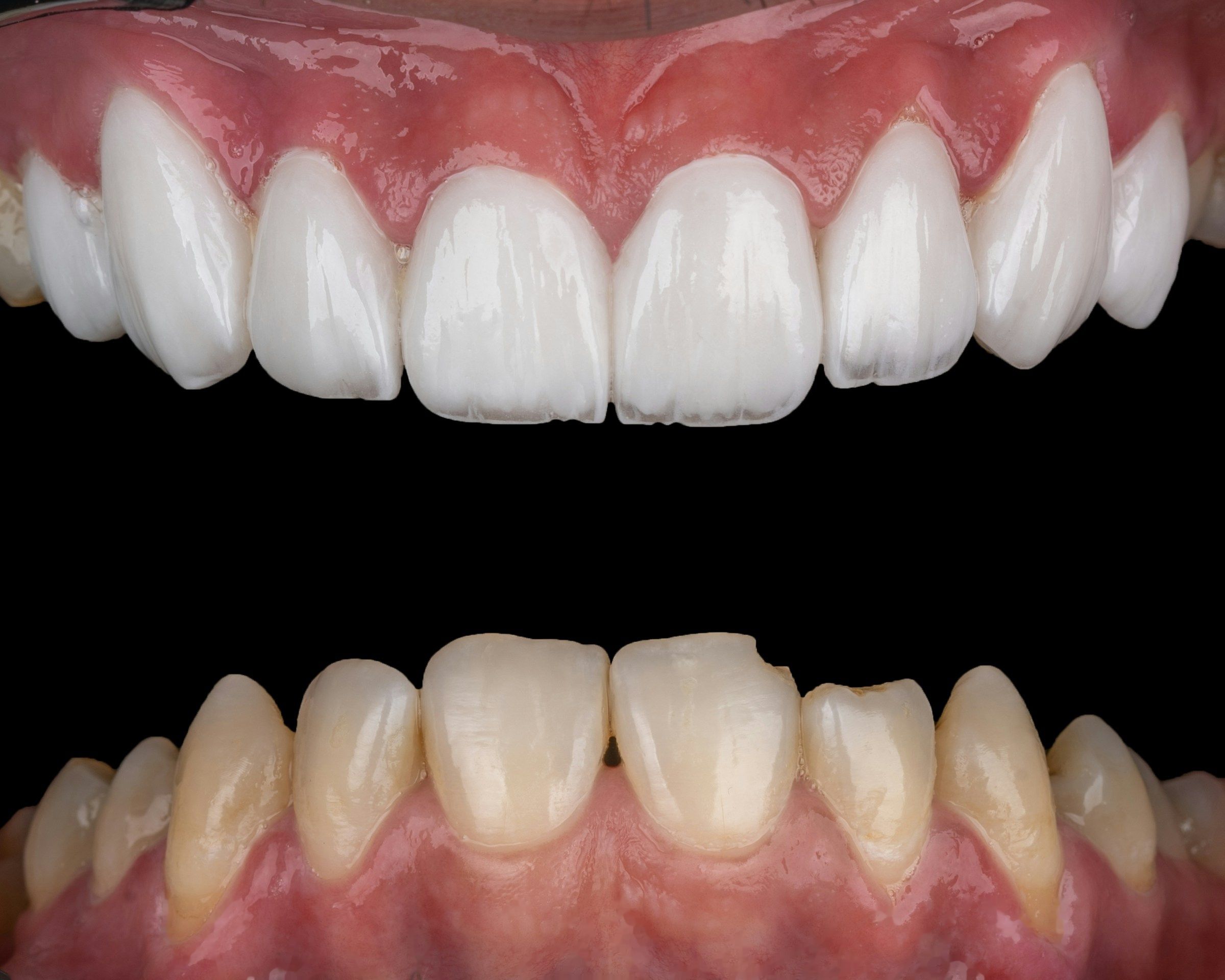
“E-max” is the name commonly used for restorations made from lithium disilicate, a glass-ceramic valued for its natural translucency. It is used for veneers, crowns and partial restorations, particularly where appearance matters most. Its light-reflecting, enamel-like quality makes it one of the most aesthetic choices for a bright, natural-looking smile.
- 06stages
- 05questions and answers
01About the treatment
What is it?
When patients ask about E-max, they are usually asking about a material rather than a particular type of treatment. The same material can be made into a thin veneer for a front tooth, a full crown, or a partial restoration that replaces only the damaged part of a back tooth.
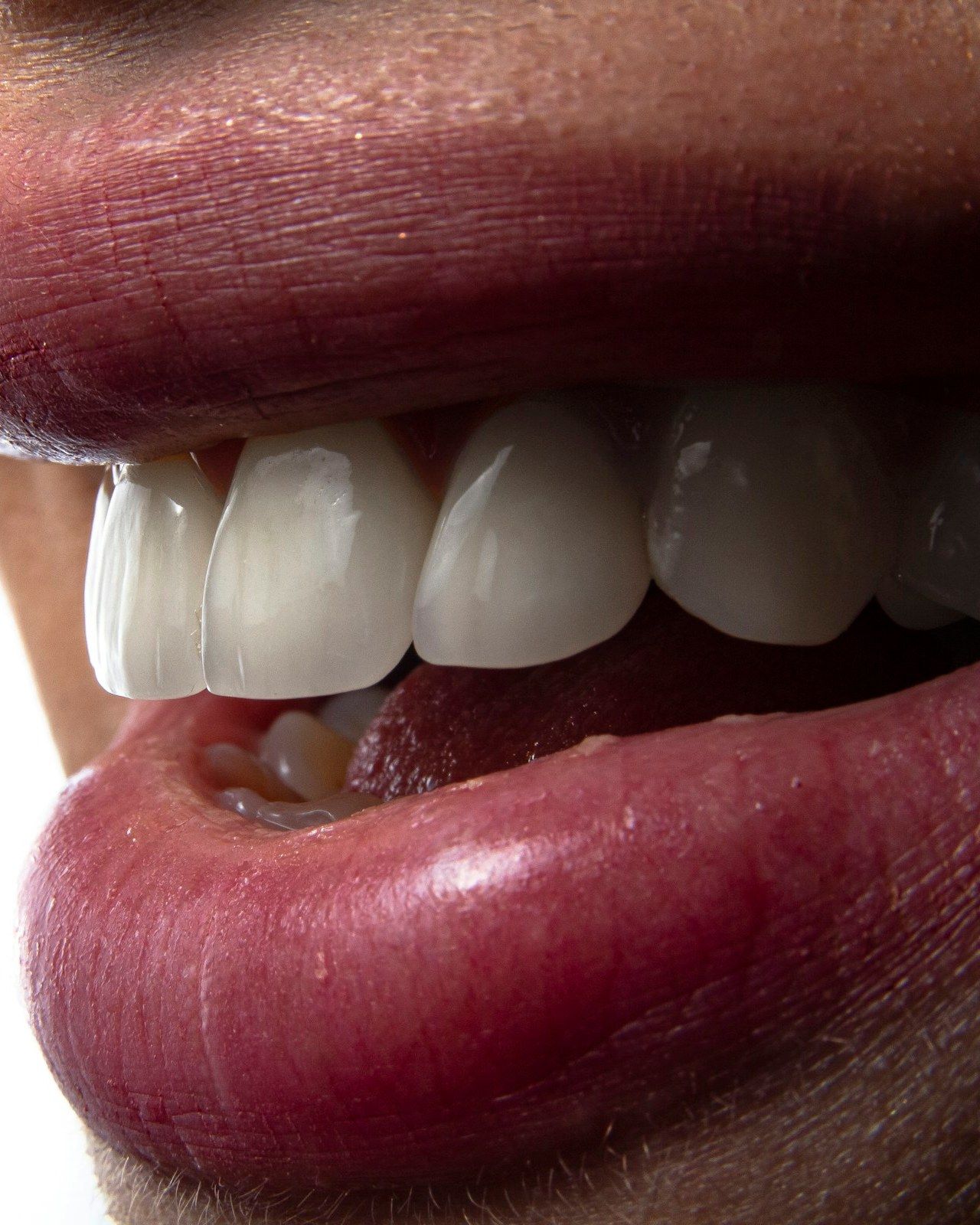
This page explains what the term means, when lithium disilicate restorations may be considered, and the advantages and limitations to discuss with your dentist.
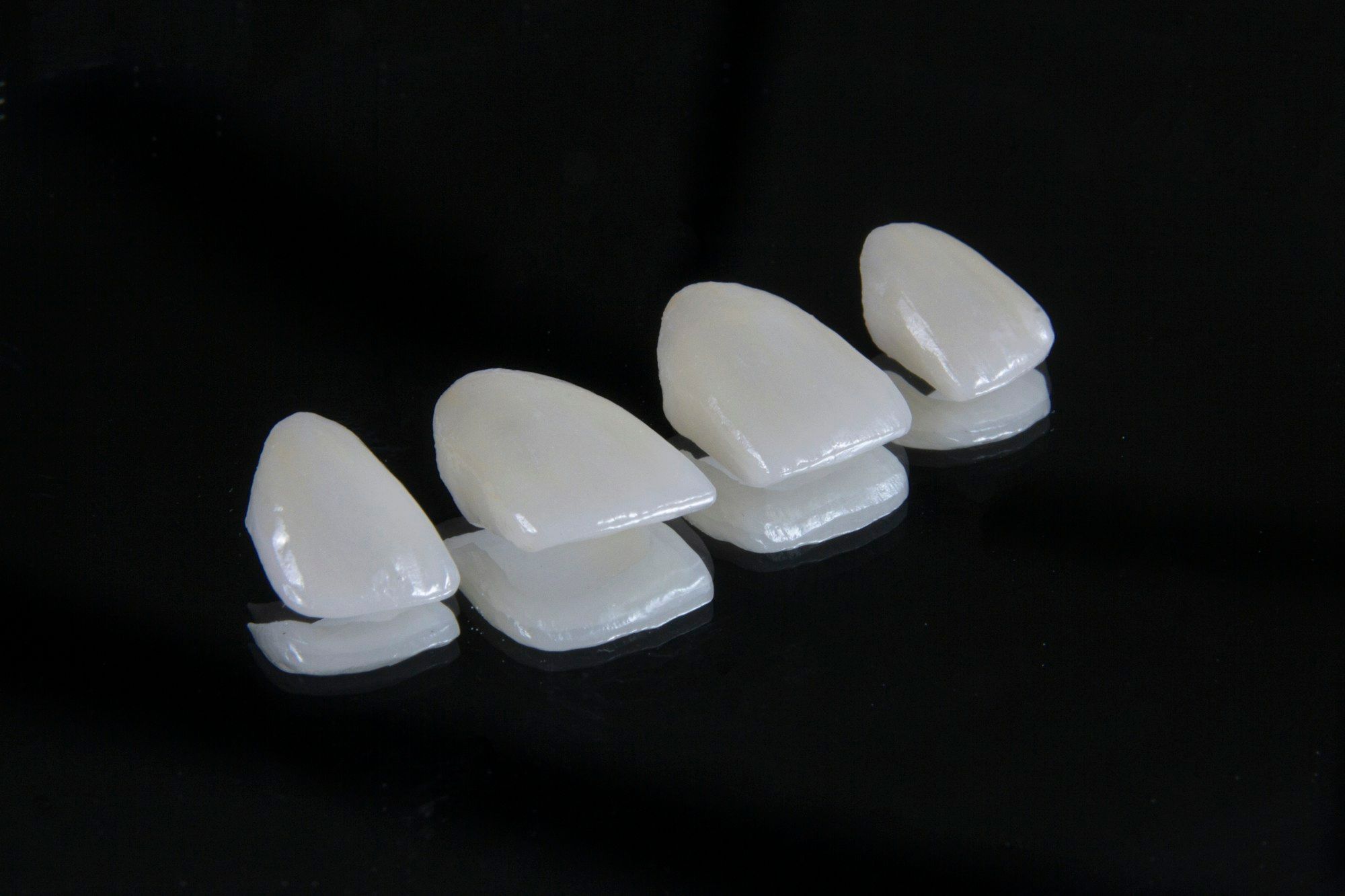
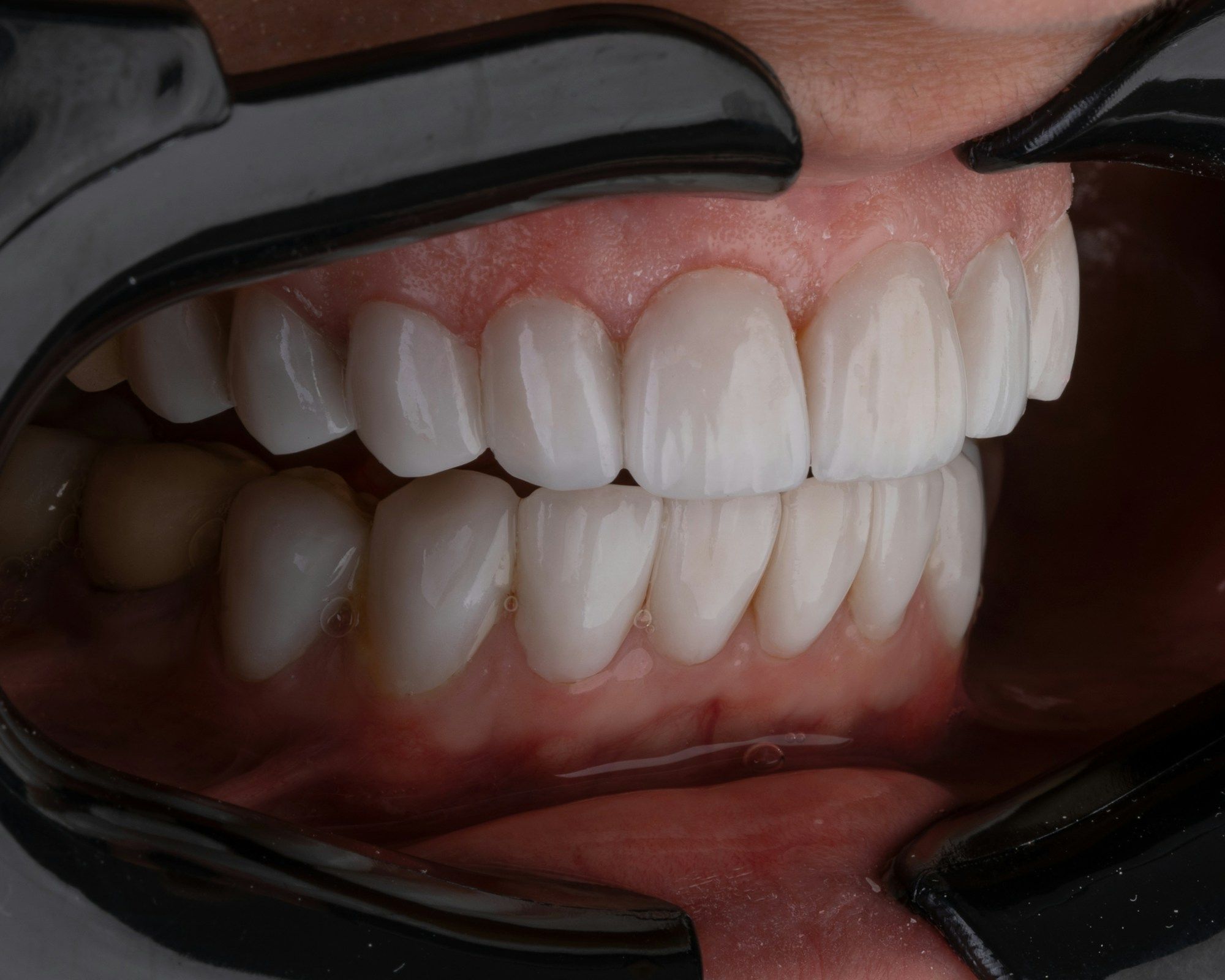
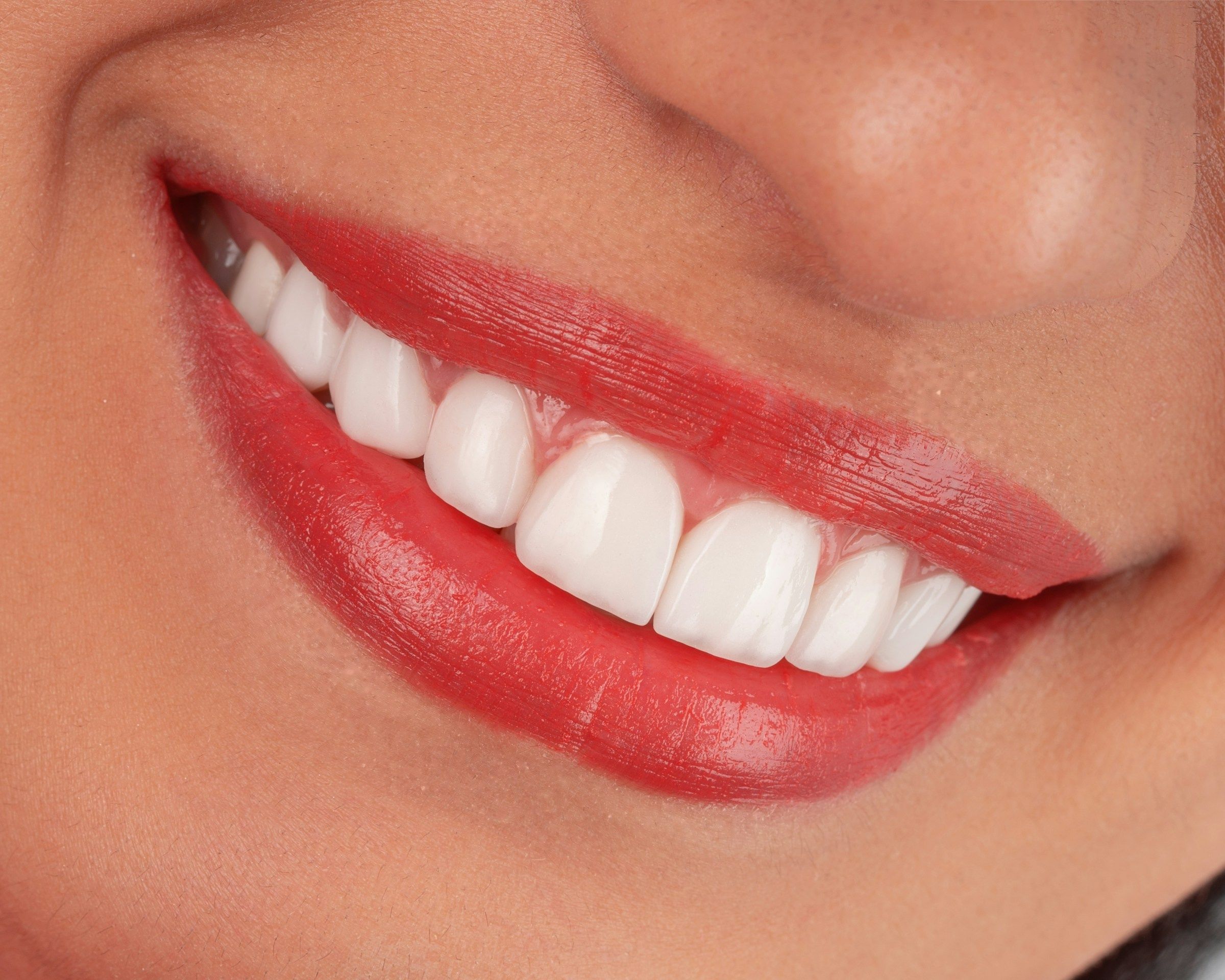
E-max is a glass-ceramic that closely resembles the natural translucency of enamel. Each veneer or crown is made specifically for your tooth, offering a delicate, natural-looking restoration that blends in with your smile.
02Suitability
When might it be considered?
Lithium disilicate may be one of the options considered for:
- 01Veneers to change the colour, shape or proportions of front teeth where appropriate
- 02Single crowns, particularly on front teeth and premolars
- 03Inlays, onlays and partial crowns that replace part of a damaged back tooth while preserving healthy structure
- 04Replacing older restorations that have discoloured or become worn
03Process
The treatment process
Every treatment plan is individual. The stages below describe a typical sequence, not a fixed protocol.
- 01
Consultation and examination
Your teeth, gums and bite are examined, and your concerns and expectations are discussed. Healthy gums and a stable bite are prerequisites for aesthetic restorations.
- 02
Aesthetic planning
Photographs and records are taken. For veneers, a trial “mock-up” in temporary material may be made so that you can preview the proposed shape before any tooth is prepared.
- 03
Preparation
The amount of preparation is planned for each case. Veneers often need only minimal shaping of the enamel, while crowns need a little more.
- 04
Impression or scan
A precise impression or digital scan is taken, and temporary restorations are fitted where needed.
- 05
Try-in and bonding
The restorations are tried in to check fit and colour, then bonded using an adhesive technique under carefully controlled conditions.
- 06
Review
Your bite is checked and refined, and the restorations are reviewed at follow-up appointments.
04Benefits and limits
Benefits and limitations
Potential benefits
- Natural translucency that can closely resemble enamel
- Can be made thin, allowing a conservative approach in suitable cases
- Adhesive bonding helps support the restoration and remaining tooth
- Resistant to staining compared with composite resin
Limitations
- For long bridges or very heavy biting forces, zirconia may be the stronger choice
- Teeth are gently shaped in preparation, and veneers are renewed over time like any restoration
- Bonding is carried out in carefully controlled conditions for the best long-term result
- For heavily discoloured teeth, the thickness and shade are planned to give a natural result
05Risks
Risks and considerations
E-max restorations are a well-established treatment, and most patients adapt to them quickly and comfortably. Mild sensitivity for a few days after preparation is common and usually settles on its own.
As with any restoration, small issues such as a minor chip or a veneer loosening can occasionally occur over the years. Avoiding very hard foods and wearing a night guard if you grind your teeth help to protect them, and regular check-ups allow anything to be addressed early.
Previewing the planned result before treatment helps to ensure that the final shape and shade suit you.
06Aftercare
Recovery and aftercare
Clean your restorations as you would natural teeth, with twice-daily brushing and daily cleaning between the teeth. Avoid using your teeth to open packaging or bite very hard objects.
If you grind your teeth, a protective night guard may be advised. Regular examinations help to identify any wear, chipping or gum changes early.
07Common questions
Frequently asked questions
01Is E-max a brand or a type of veneer?
IPS e.max® is a brand name. In everyday use it refers to lithium disilicate glass-ceramic, which can be made into veneers, crowns and partial restorations. Comparable materials are made by other manufacturers.
02Are E-max veneers permanent?
E-max veneers are a long-term restoration and can last many years with good care. Like all restorations, they may eventually need to be renewed; regular check-ups help to keep them in good condition.
03What is the difference between E-max and composite veneers?
Composite veneers are made from tooth-coloured resin, often directly in the mouth, and usually require less preparation and are easier to repair. Ceramic veneers such as lithium disilicate are typically more stain-resistant and retain their surface finish for longer. The right choice depends on your teeth and priorities.
04Can E-max veneers be whitened?
No. Ceramic restorations do not change colour with whitening. If you would like whiter teeth, whitening is normally carried out before the shade of any veneers or crowns is chosen.
05Should I choose E-max or zirconia?
Lithium disilicate is often preferred where translucency is the priority, such as on front teeth; zirconia is usually chosen where strength is paramount, such as back teeth and bridges. The decision depends on the individual tooth and your bite.
08Other treatments
Related treatments
-
-
-
09Consultation
Discuss your options
Suitability for any treatment can only be determined after a clinical examination. If you would like further information, or to arrange an appointment, please contact the clinic.