
AestheticDental Veneers in Istanbul
Dental Veneers
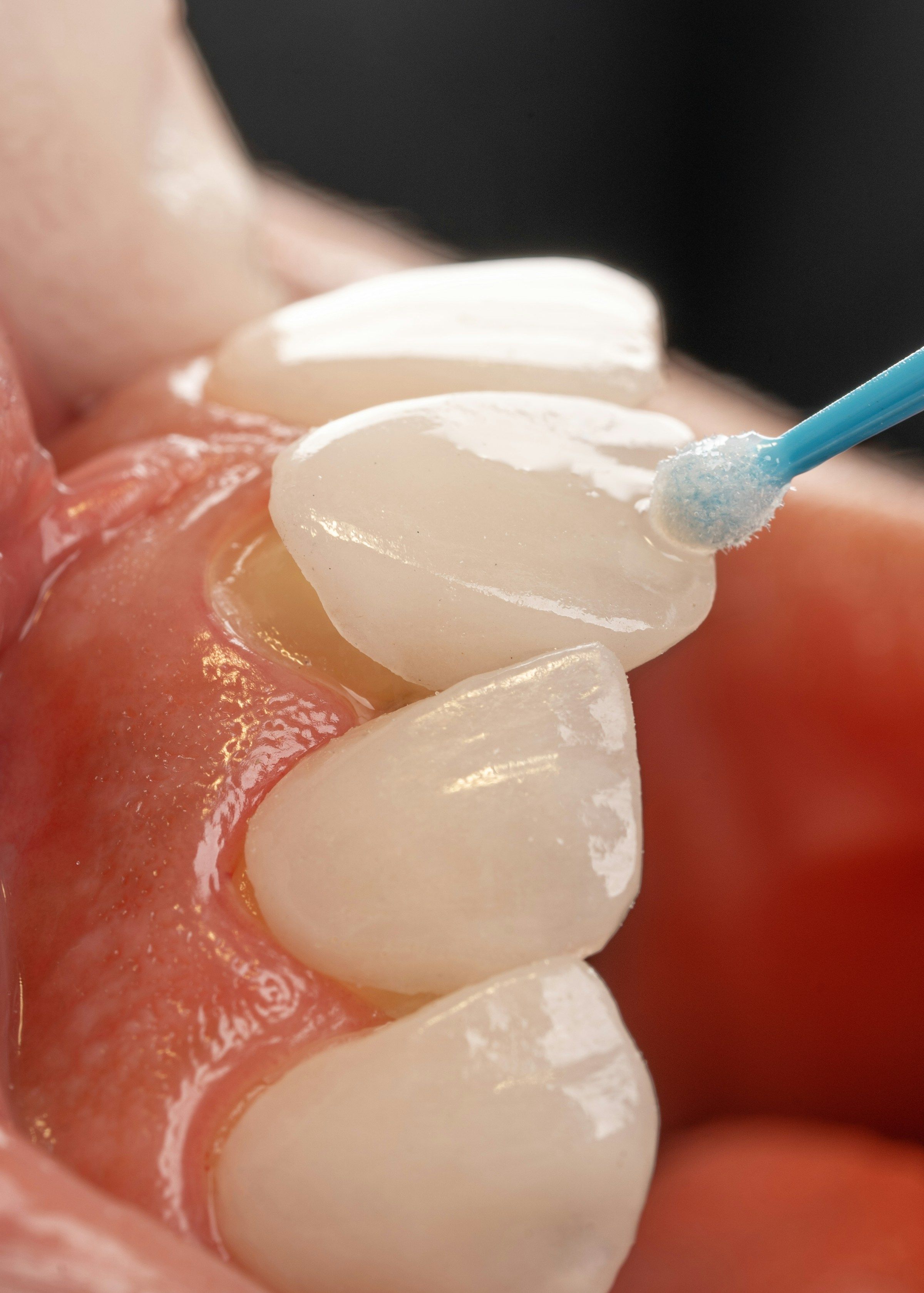
A veneer is a thin layer of tooth-coloured material bonded to the front surface of a tooth. Veneers can change the colour, shape or proportions of teeth, but they are a long-term commitment that should be considered carefully. Carefully designed veneers can create a bright, harmonious and natural-looking smile.
- 04stages
- 03questions and answers
01About the treatment
What is it?
Veneers are one of the most requested cosmetic treatments, and also one of the most important to plan well. Done appropriately, they can improve the appearance of teeth while preserving much of their structure. Done unnecessarily or aggressively, they can remove healthy enamel that cannot be replaced.
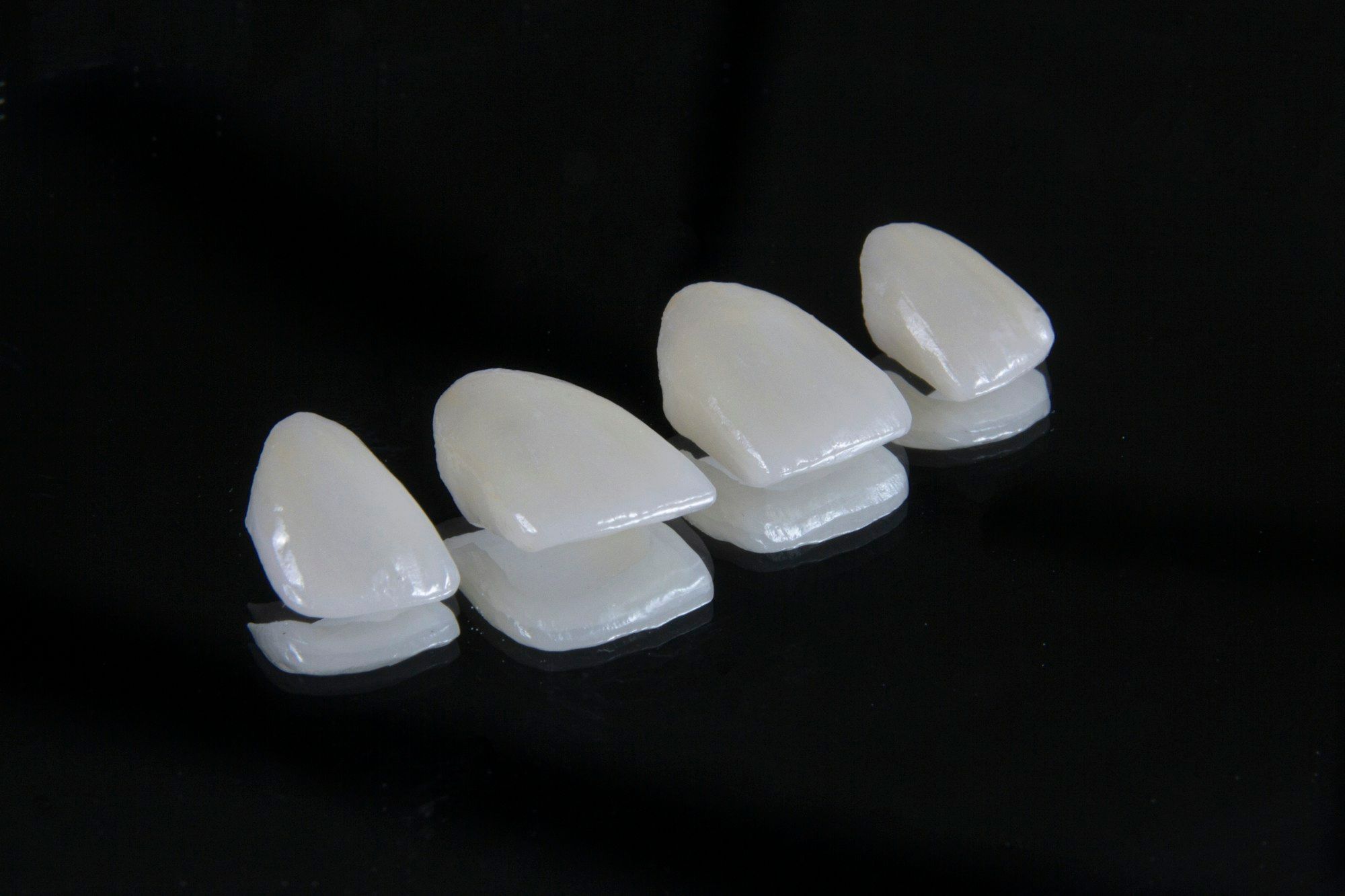
Veneers are thin, tooth-coloured porcelain or composite shells bonded to the front of the teeth. Each one is designed for your smile, refining colour, shape and proportion with a natural look.
02Suitability
When might it be considered?
Veneers may be considered for:
- 01Discolouration that does not respond adequately to whitening
- 02Chipped or worn front teeth
- 03Teeth that are small, misshapen or have small gaps
- 04Mild irregularities where orthodontic treatment is not preferred — after discussing orthodontics as an option
03Process
The treatment process
Every treatment plan is individual. The stages below describe a typical sequence, not a fixed protocol.
- 01
Assessment
Teeth, gums and bite are examined. Veneers are not suitable where there is untreated decay or gum disease, or with some bite patterns and heavy grinding.
- 02
Planning and preview
A digital plan or trial mock-up shows the proposed shape and length before any tooth is prepared.
- 03
Preparation and records
Teeth are prepared as needed and an impression or scan is taken. Temporary veneers may be provided.
- 04
Bonding
The veneers are tried in and bonded in a controlled, dry field. Excess material is removed and the bite is checked.
04Benefits and limits
Benefits and limitations
Potential benefits
- Can change colour and shape in a predictable way
- Ceramic veneers resist staining and retain their surface finish
- Often require less tooth reduction than crowns
Limitations
- Teeth are gently shaped where needed, and the amount is planned to be as conservative as possible
- Like all restorations, veneers are renewed over time
- Where teeth are noticeably misaligned, orthodontic treatment may be considered first
05Risks
Risks and considerations
Veneers are a well-established treatment, and most patients adapt to them quickly. Mild sensitivity for a few days after preparation is common and usually settles on its own.
Occasionally, a small chip or a veneer loosening can occur over the years. Avoiding very hard foods, wearing a night guard if you grind your teeth and attending regular check-ups help to keep veneers looking their best.
06Aftercare
Recovery and aftercare
Brush twice daily, clean between the teeth daily and attend regular reviews. Avoid biting very hard objects and ask about a night guard if you grind your teeth.
07Common questions
Frequently asked questions
01Do veneers damage your teeth?
Veneers are planned conservatively: teeth are only gently shaped where needed, and in some cases minimal or no preparation is required. Your dentist will explain what is planned for each tooth.
02Porcelain or composite?
Composite is less invasive, quicker and easier to repair, but stains and wears more readily. Ceramic is more durable in appearance but involves a laboratory stage and usually more preparation.
03How many veneers will I need?
Only as many as are needed to address your concern. The number depends on which teeth are visible when you smile and what you want to change.
08Other treatments
Related treatments
-
-
-
09Consultation
Discuss your options
Suitability for any treatment can only be determined after a clinical examination. If you would like further information, or to arrange an appointment, please contact the clinic.